
"Brazilian coffee production"
5000 article(s) found

Brazilian Coffee Bean planting Base Map-introduction of Brazilian Bourbon Rivida Coffee beans
Brazilian Coffee Bean planting Base Map-Brazilian Bourbon Rivida Coffee Bean introduction Top Brazilian coffee may not always be easy to get. Because, after the United States, Brazil itself has become the world's largest consumer of coffee and is still growing rapidly. A large number of high-quality coffee has found a place in the domestic market, and consumers' tastes are becoming more and more critical of Brazil's long hair in the coffee industry.

Introduction to the characteristics and production time of coffee beans in Brazil the present situation of the production environment of the origin story of Brazilian coffee varieties
Professional coffee knowledge exchange more coffee bean information please follow coffee workshop (Wechat official account cafe_style) Coffee originated in Brazil several historians agree that coffee arrived from the Old World to Martinique and the Antilles, was originated in 1714, the French army captain Mathieu

Introduction of Brazilian Coffee with mellow taste introduction to the treatment of Brazilian coffee
Brazilian coffee generally refers to coffee produced in Brazil. There are many kinds of coffee in Brazil. Like other Arabica coffee, Brazilian coffee is called Brazilian coffee Brazils to distinguish it from Milds coffee. The vast majority of Brazilian coffee is unwashed and sun-dried and is classified according to the name of the state of origin and port of transport. Brazil has 21 states and 17 states produce coffee, but among them

Soft aroma of Brazilian fine coffee flavor taste Manor characteristics of the region Introduction to Brazilian coffee practices
Brazilian coffee refers to coffee produced in Brazil. There are many types of Brazilian coffee, and just like other Arabica coffees, Brazilian coffee is known as Brazilian coffee Brazils to distinguish it from Milds coffee. The vast majority of Brazilian coffee is unwashed and sun-dried, and is classified according to the state of origin and port of shipment. Brazil has 21 states, 17 of which produce coffee.

The Brazilian Coffee Information Agency predicts that the total output of coffee in Brazil in the new season in 2021 will be 52.01 million bags.
More boutique coffee beans please add private Wechat Qianjie Coffee, WeChat: kaixinguoguo0925 as 2021 is Brazilian coffee is a biennial coffee production cycle, coupled with the 2020 dry season in Brazil, the global agencies on Brazil 2021 Coffee 22 production season forecast, the average total coffee production in Brazil is expected to be 52.01 million bags (60 kg / bag). 2021cyber 22 quarter bus

Flavor description of Brazilian Yellow bourbon Coffee Variety characteristics of Brazilian Yellow bourbon Coffee
Flavor description of Brazilian yellow bourbon coffee taste treatment variety characteristics different from the past, Brazil's economy is less dependent on coffee, which accounts for only 8% to 10% of the gross national product. Before World War II, Brazil accounted for 50% or more of the world's coffee production, and now it is close to 30%, but the country's impact on the world coffee, especially on coffee prices.

World champion of coffee production, Brazilian coffee.
The cultivation of Brazilian coffee began more than 280 years ago in 1727. Legend has it that the handsome army officer Pacita was sent to French Gaiana to mediate the territorial dispute between France and the Netherlands. The wife of French Gaiana actually fell in love with him and gave him a bag of bourbon coffee seeds. Right after Parcia returned to Brazil, Para changed his career as a coffee farmer and began to grow coffee.

What brand of Brazilian coffee is good? the history of Brazilian coffee.
Following Cafe Review (official Wechat account vdailycom) found that Brazilian Coffee, which opened a small shop in Fairview Cafe, had a low sour taste, matched with the sweet and bitter taste of coffee, and had a slight grassy aroma, with a slightly bitter taste in the fragrance, smooth taste and pleasant aftertaste. Robbins coffee in Brazil, the largest output is Luobai.

Characteristics of Brazilian Coffee introduction to the flavor and taste of Brazilian fine coffee beans
Although coffee is diverse, Brazilian coffee is suitable for the taste of the public. For example, coffee produced in the northern coastal areas has a typical iodine taste, reminiscent of the sea after drinking. This coffee is exported to North America, the Middle East and Eastern Europe. Another kind of coffee that is interesting and worth looking for is washed Bahia coffee. This kind of coffee is not easy to find, because after the United States

A comprehensive introduction to Brazilian coffee from the world's boutique coffee producing area
Brazilian coffee generally refers to coffee produced in Brazil. There is a wide variety of Brazilian coffee, the vast majority of which are unwashed and sun-dried, classified according to the name of the state of origin and the port of transport. Brazil has 21 states and 17 states produce coffee, but four of them produce the largest, accounting for 98% of the country's total output. Brazilian coffee has a low sour taste, which goes well with coffee.
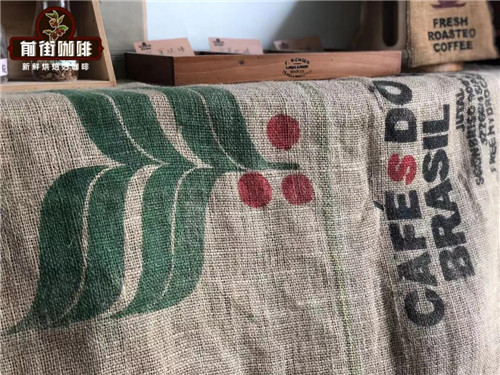
Brazil's coffee export output reached an all-time high of 44.5 million bags in 2020 in advance of the Brazilian coffee production crisis.
For more information on coffee beans, please follow the Coffee Workshop (official Wechat account cafe_style). According to foreign media reports, the European Union and the United Kingdom have held global public consultations on the import of agricultural commodities, a move to force big companies to ensure that deforestation no longer leads to forest degradation. According to the British due diligence on Forest risk Commodities, which ended in early October this year,

Brazilian coffee with a hint of grass flavor the characteristics of the manor producing area introduce Brazilian coffee beans
Drinking Brazilian coffee is not like drinking or fruit juice. Moderate Brazilian coffee will not only stimulate the taste, but will not feel greasy after drinking it, but will have a long aftertaste. The right amount of Brazilian coffee can moderately promote the recovery of physical fatigue, refreshing the mind. Brazilian coffee has a strong and weak taste, so you can't drink several cups in succession like tea or cola, but usually drink Brazilian coffee at 80-10.

Soft-scented Brazilian coffee flavor and taste introduce Brazilian boutique coffee Brazilian coffee brand
Brazil is vividly compared to the giant and monarch of the coffee world. There are about 3.97 billion coffee trees there, and small farmers now grow 75% of Brazil's total coffee production. The number of coffee producers in Brazil is twice or even three times that of Colombia, the second largest coffee producer in the world. Unlike in the past, Brazil's economy is less dependent on coffee.

Introduction to the characteristics of Flavor and Taste quality of Brazilian Coffee Bean planting Map
Brazilian coffee beans grow top Brazilian coffee on a map that may not always be easy to get. Because, after the United States, Brazil itself has become the world's largest consumer of coffee and is still growing rapidly. A large number of high-quality coffee has found a place in the domestic market, and consumers' tastes are becoming more and more picky. Brazil's rapid development in the coffee industry may be attributed to regular hosting in Brazil.
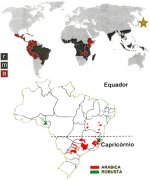
Brazilian Coffee Fine Coffee Bean treatment introduces how to make and drink Brazilian coffee
The exchange of professional baristas please follow the coffee workshop (Wechat official account cafe_style) about coffee production. The main consideration is ① production, ② diseases and insect pests, ③ quality, in terms of agricultural stability, the first priority is production. In addition, 80% of Brazilian coffee is dried, and the remaining 20% is semi-dried and washed. Its coffee taste characteristics are different, but high.
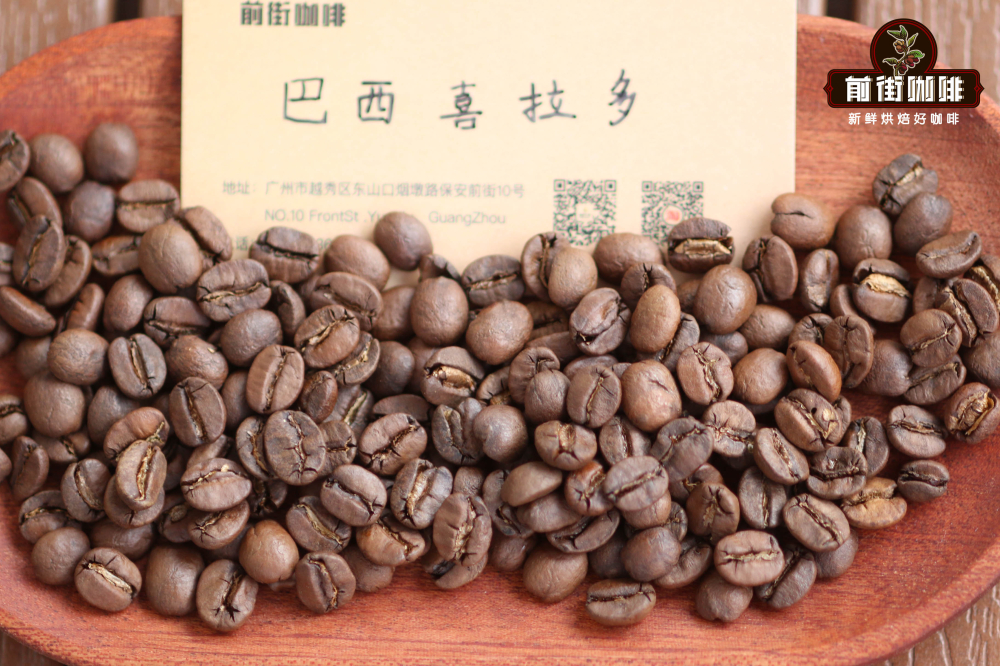
The Historical Story of Brazilian Coffee Distribution, altitude Environment and Flavor and Taste characteristics of Brazilian Coffee beans
The Portuguese introduced coffee to Brazil in the 18th century, making Brazil the largest coffee producer in the world, supplying more than 80% of the world's coffee in 1920. In 1999, the first World Cup of Excellence was held in Brazil. The coffee growing areas in Brazil are mainly concentrated in the southeast.

Brazilian coffee frost frost recovery and yield fluctuation of Brazilian coffee trees
With the development of new technology, the news of Brazilian coffee cream spread all over the world in a few minutes. Accordingly, coffee prices usually rise due to expectations of a global coffee shortage. Brazil produces nearly 25 million bags of 60 kilograms of coffee. This accounts for about 25% of the world's supply. Frost has a far-reaching effect because it can reduce or completely eliminate most of the world's supplies in one day.
Story of the Development History of Brazilian Coffee Bean Outstanding Cup the output of Brazilian coffee beans ranks first in the world in terms of taste.
Professional coffee knowledge exchange more coffee bean information Please pay attention to the history behind the Outstanding Cup in the coffee workshop (Wechat official account cafe_style) Brazil has been a huge contributor to the global coffee market for decades. Plants from Ethiopia were brought to the country when French immigrants settled in Para in the 18th century. The activity of growing coffee beans began in the north and quickly spread to

Brazilian coffee manor, Brazilian coffee flavor
Follow the caf é (Wechat official account vdailycom) found that Brazilian coffee opened a small shop of its own. The vast majority of Brazilian coffee is Arabica species, the main varieties are Burubon, Mdonabang, Kakala and La Ukeji secret species. Coffee has been cultivated in new places inland, thanks to natural benefits, and Panama became famous as a new coffee producer in Brazil after the war.
Tell me about Brazilian coffee.
Brazilian coffee generally refers to coffee produced in Brazil. There is a wide variety of Brazilian coffee, the vast majority of which are unwashed and sun-dried, classified according to the name of the state of origin and the port of transport. Brazil has 21 states and 17 states produce coffee, but four of them produce the largest, accounting for 98% of the country's total output. Brazilian coffee has a low sour taste, which goes well with coffee.